Foot pain has a way of creeping into every part of your life. Whether it’s walking, training, or simply standing, pain at the heel, arch, or ankle can leave you guessing: is this plantar fasciitis, an Achilles tendon ache, or even a stress fracture in the foot?
At Functional Patterns Burleigh, we work with people across the Gold Coast dealing with persistent pain that hasn’t improved with rest, medical devices, or generic rehab. In this post, I’ll walk you through the signs and symptoms of stress fractures in the foot, how they differ from plantar fasciitis and Achilles issues, and why looking at the bigger biomechanical picture is essential for long-term healing.
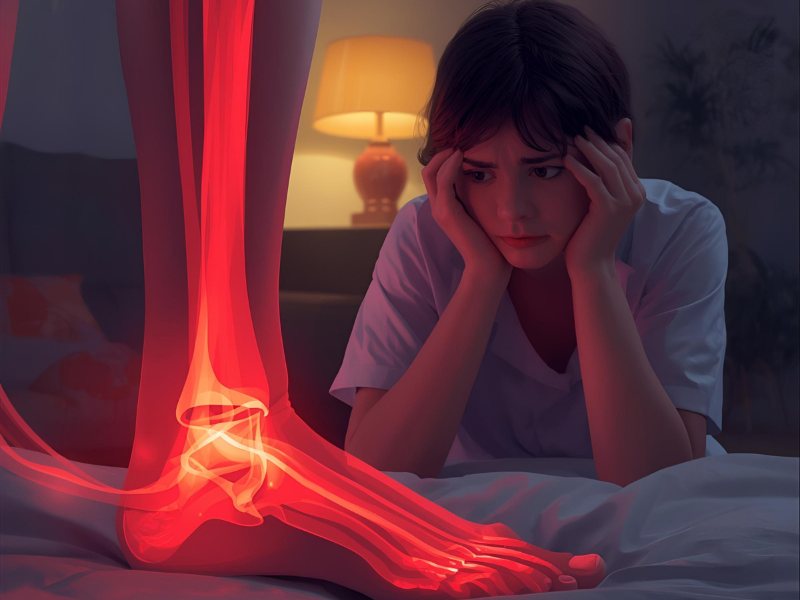
The Subtle Signs of a Stress Fracture in the Foot
A stress fracture is a small crack in the bone caused by repetitive loading, often in the metatarsals or heel. Unlike an acute break, the pain builds gradually.
Common symptoms of a stress fracture in the foot include:
-
A dull ache that worsens with impact and eases with rest
-
Pinpoint tenderness at one spot on the bone
-
Swelling or mild bruising over the area
-
Pain that increases with walking or running
These fractured foot signs and symptoms are often mistaken for soft tissue injuries, which is why many people push through the pain until it becomes debilitating.
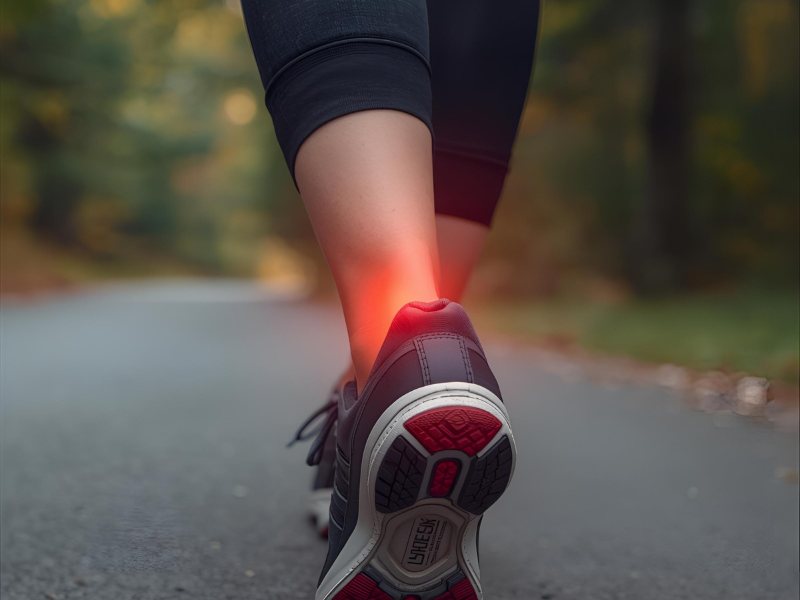
Stress Fractures Beyond the Foot — Ankle, Hip, and Lower Back
While the foot is a common site, stress fractures can occur higher up the chain. Poor load distribution in your gait can shift the strain elsewhere.
-
Ankle stress fracture symptoms often show up as localized pain, swelling, and difficulty bearing weight.
-
Hip stress fracture symptoms can mimic groin strains, but the pain deepens with activity.
-
Stress fracture symptoms in the lower back usually relate to overloading in running or extension-based sports.
Each of these reflects the same issue: bones absorbing forces they weren’t designed to handle because of inefficient biomechanics.
When Your Heel or Achilles Hurts — It’s About Force, Not Just Fascia
When people tell me “my Achilles heel hurts” or that they wake with stabbing pain under the arch, the focus often goes straight to the tendon or fascia. But the reality is, these areas are reacting to how force is moving through the entire kinetic chain.
-
Plantar fasciitis isn’t just a “tight band under the foot.” It’s a response to how your fascia is transmitting ground reaction forces. If your gait mechanics are off — for example, if the pelvis isn’t sequencing well or the glutes aren’t managing hip extension — that tension has to land somewhere. The plantar fascia becomes the end-point absorbing it.
-
Achilles tendon ache is rarely an Achilles problem in isolation. It usually reflects inefficient load sharing through the calves, soleus, hamstrings, and hips. When those systems aren’t doing their job, the tendon becomes the weak link bearing repetitive strain.
Whether you call it plantar fasciitis, Achilles pain, or even a stress fracture in the heel, these are different expressions of the same issue: poor force distribution across the fascia and bones of the body.
That’s why we focus less on treating a “part” and more on retraining the whole system of movement.
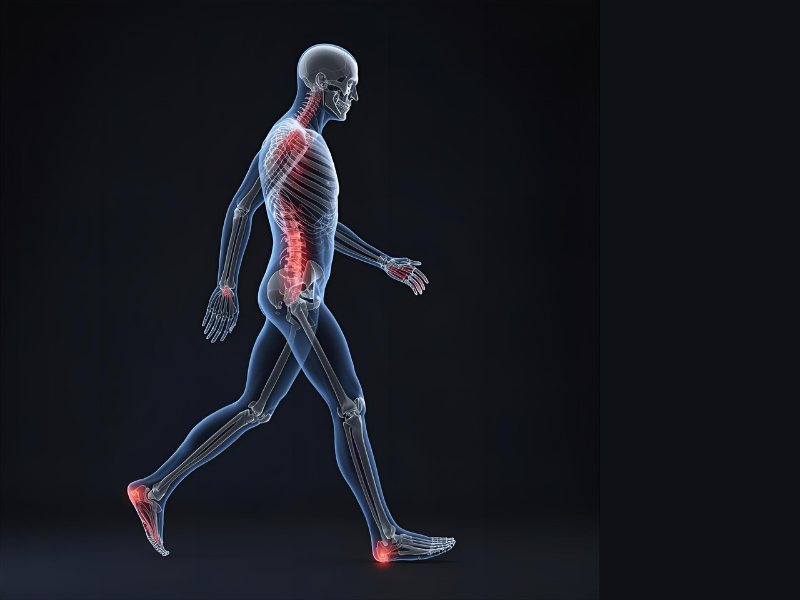
Why These Injuries Happen — A Whole-Body, Biomechanical Perspective
From a Functional Patterns standpoint, pain in the foot or Achilles isn’t random or isolated. It’s the visible tip of a much larger system breakdown — the way force is transmitted through your body every time you walk, run, or jump.
When arches collapse or pronation becomes excessive, it’s not just the foot rolling in — it’s a ripple effect of the pelvis and ribcage losing their role in stabilising rotation. That misalignment funnels force into the fascia and metatarsals, creating the common signs and symptoms of a stress fracture in the foot.
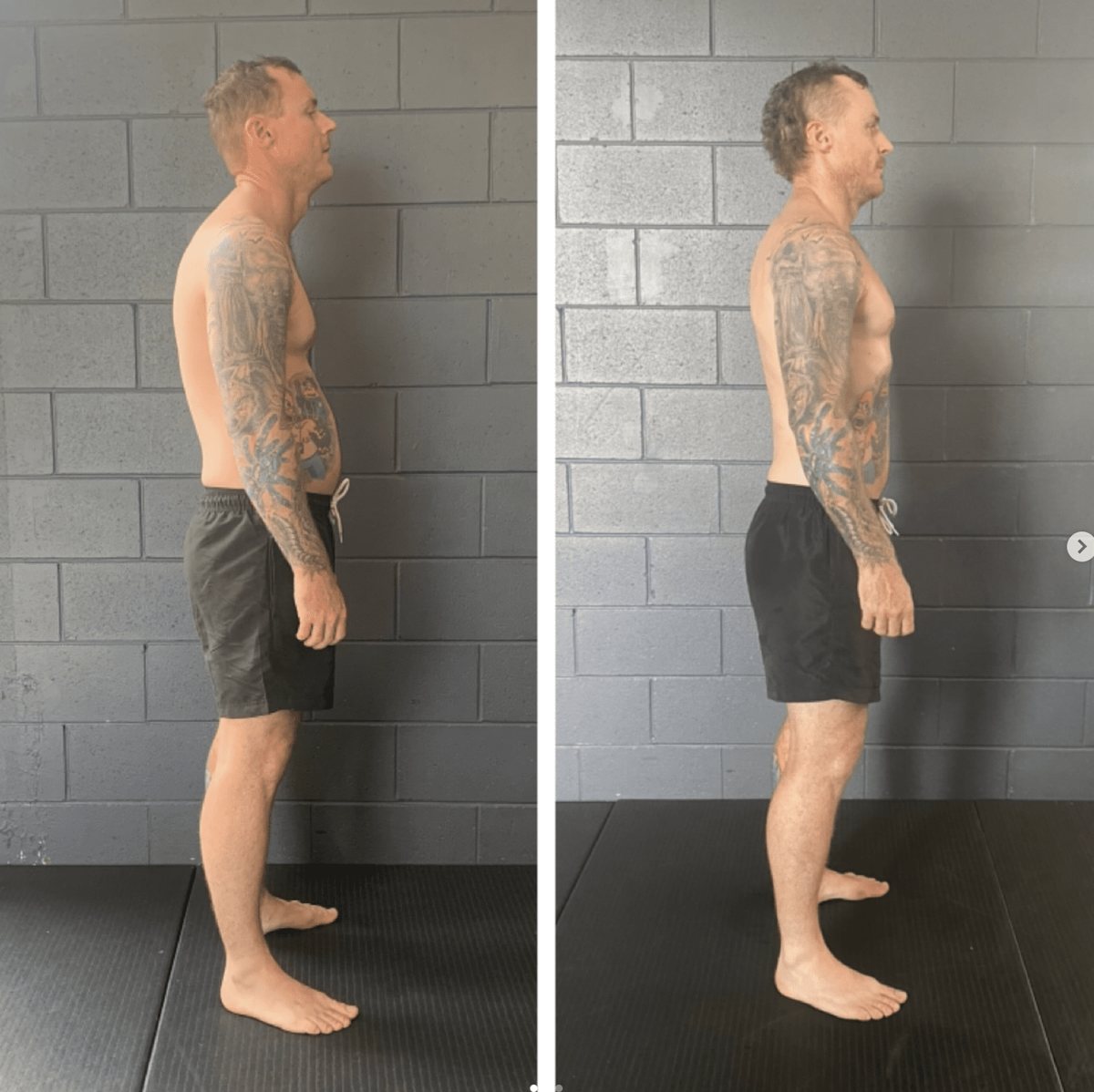
Functional Patterns Burleigh Result By Jen Calleja
The Achilles tendon doesn’t ache simply because it’s “tight.” It aches because the posterior chain — glutes, hamstrings, soleus — isn’t sequencing to share load. Without those structures absorbing ground reaction forces, the Achilles becomes a shock absorber it was never designed to be, leading to the experience many describe as “my Achilles heel hurts” or a persistent Achilles tendon ache.
Even the symptoms of plantar fasciitis are less about a single band of tissue and more about the way fascia connects the entire back line of the body. If the hip extension pattern breaks down, the foot takes the brunt, resulting in inflammation, arch pain, or in some cases, the stress fracture signs people mistake for soft tissue injury.
These aren’t issues solved with stretching, foam rolling, or isolated muscle strengthening. They require a systems-level correction of movement — restoring timing, tension, and integration across the whole body so the feet no longer carry forces meant to be distributed elsewhere.
Healing Beyond Rest — How Biomechanical Training Restores Function
Rest, ice, or a boot may help a fracture heal, but if the underlying mechanics don’t change, the pain will return the moment you start moving again.
At Functional Patterns Burleigh, we take a different approach:
-
Assessing your gait cycle and posture to see where forces are being mismanaged
-
Correcting asymmetries through targeted functional integration drills
-
Reinforcing efficient loading patterns so your bones and tissues share the work evenly
This isn’t just about symptom relief. It’s about making sure your foot pain doesn’t keep coming back every few months.
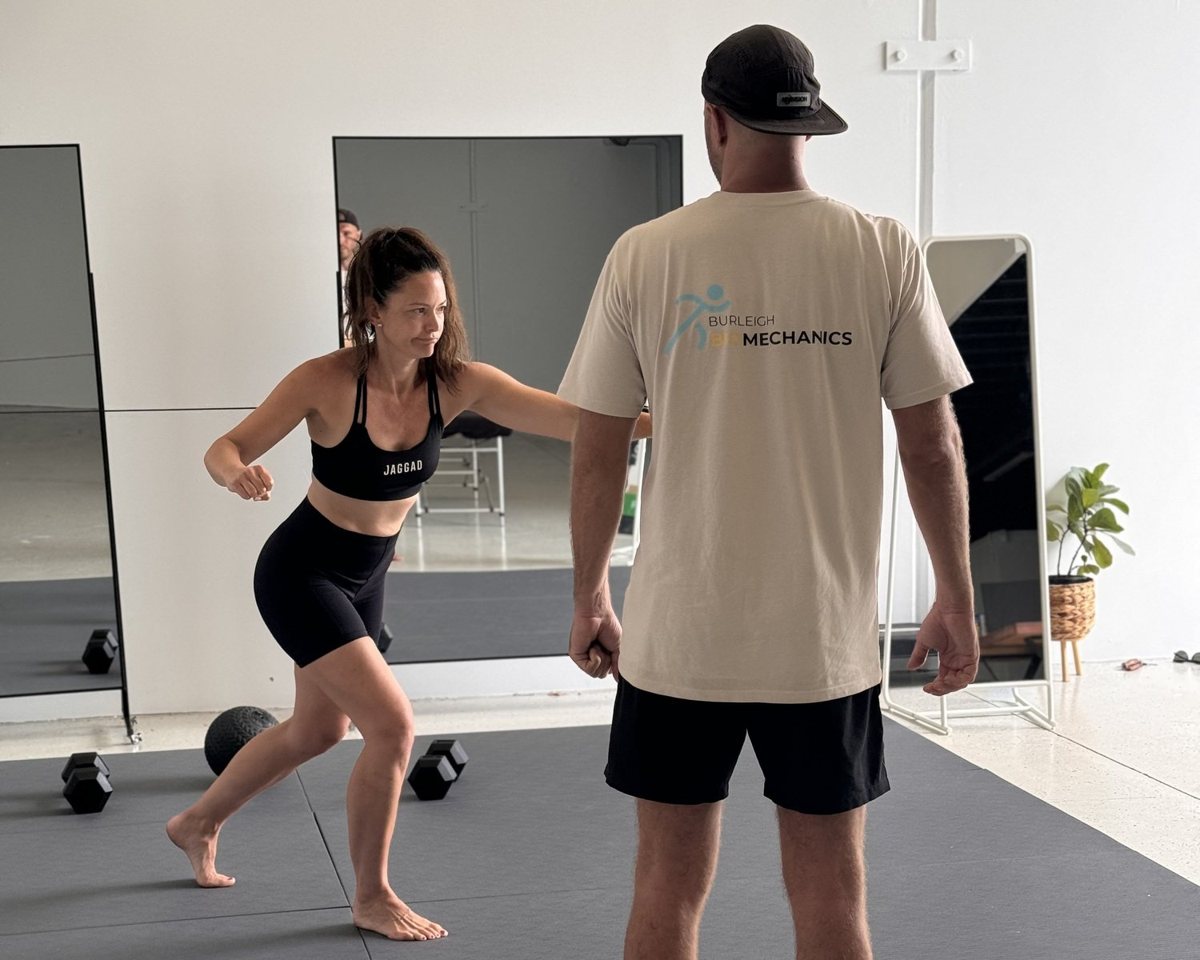
Louis Ellery Training Correct Weight Distribution
When to Seek Help
You should get checked if you notice:
-
Persistent pain lasting more than a week
-
Swelling or tenderness in one spot
-
Pain that wakes you at night
-
An inability to walk or load normally
These are all signs it’s time for a professional assessment.
Take the Next Step
If you’re dealing with foot pain — whether it’s plantar fasciitis, an Achilles tendon ache, or the symptoms of a stress fracture — don’t wait for it to get worse.
At Functional Patterns Burleigh, we look beyond the pain site to correct the whole-body mechanics driving the issue.
👉 Book a Biomechanical Assessment today and start moving without pain.
Just a man trying to make the world more functional and less painful.
https://functionalpatternsburleigh.com
Previous\ \ Previous\ Understanding the Connection Between Back and Knee Pain Next\ \ Next\ \ Unlock Your Potential: The Best Hypermobility Exercises for Strength and Stability