If you live with Ehlers-Danlos Syndrome (EDS) or hypermobility, you may have been told your symptoms come down to weakness, instability, or not exercising consistently enough.
So you strengthen. You stretch. You stabilise your core.
And yet symptoms flare.
Pain moves around. Fatigue escalates. Joints feel unpredictable. Exercises that helped one week suddenly backfire the next.
This isn’t a discipline issue — and it’s not a lack of effort.
In many hypermobile bodies, the real issue is how movement is coordinated, not how strong individual muscles are.
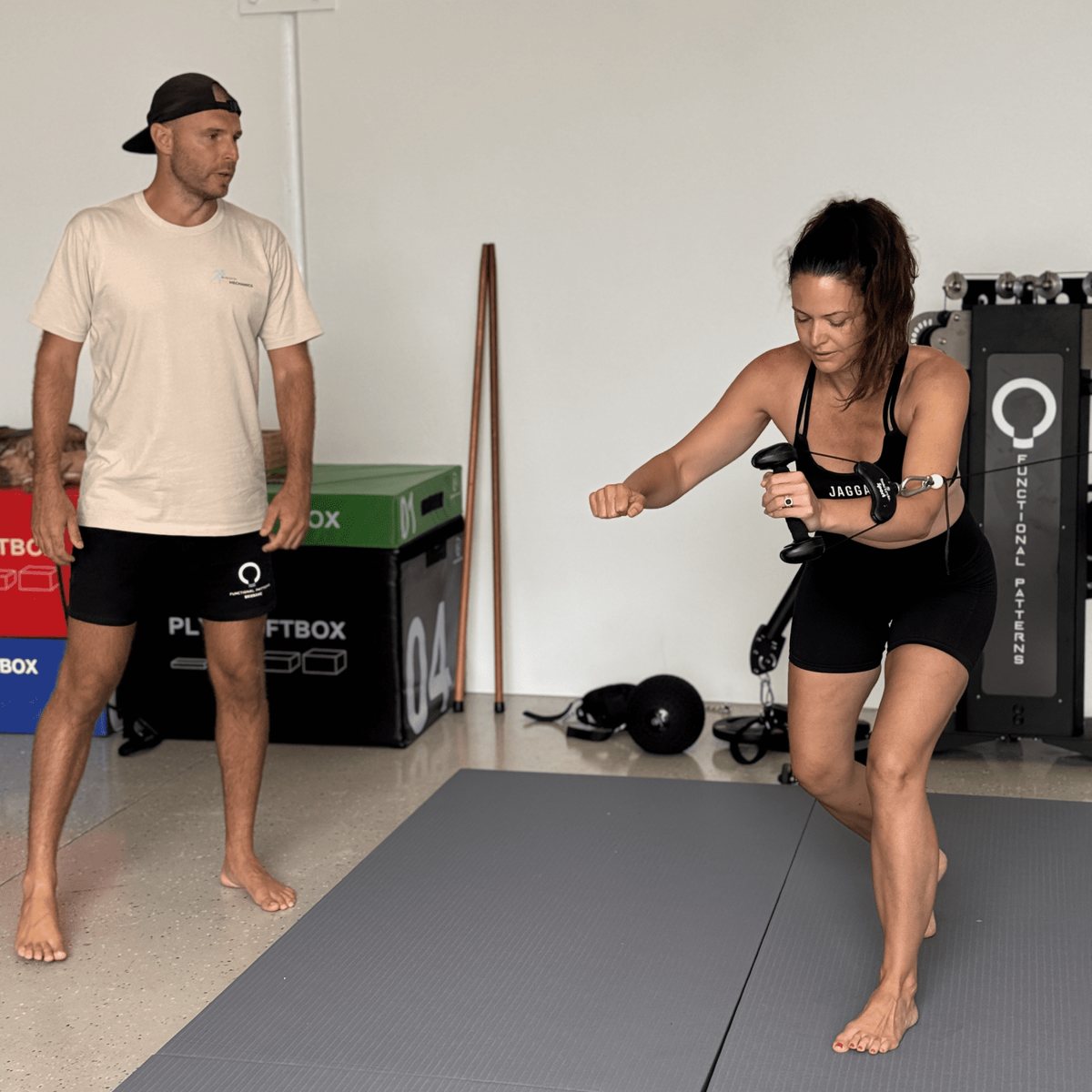
What Are Gross Motor Skills?
Gross motor skills refer to the body’s ability to organise large, whole-body movements in a coordinated and efficient way.
They include things like:
-
Walking
-
Standing and balancing
-
Transferring weight between limbs
-
Coordinating limbs with the trunk
-
Controlling movement through space
These skills determine how force moves through the system, not just whether a muscle is “strong.”
In hypermobility and EDS, gross motor abilities are often disrupted — even in people who appear flexible or strong.
Why Strength Alone Often Fails in EDS
In non-hypermobility rehab models, strengthening is often the foundation.
In EDS, that approach frequently backfires.
Why?
Because without coordinated motor control:
-
Force leaks into joints instead of being absorbed by the system
-
Muscles over-brace to create artificial stability
-
Breathing and posture compensate to protect unstable areas
-
Fatigue and autonomic stress increase
You can be strong and poorly organised.
This is why many people with EDS feel worse after “doing everything right.”
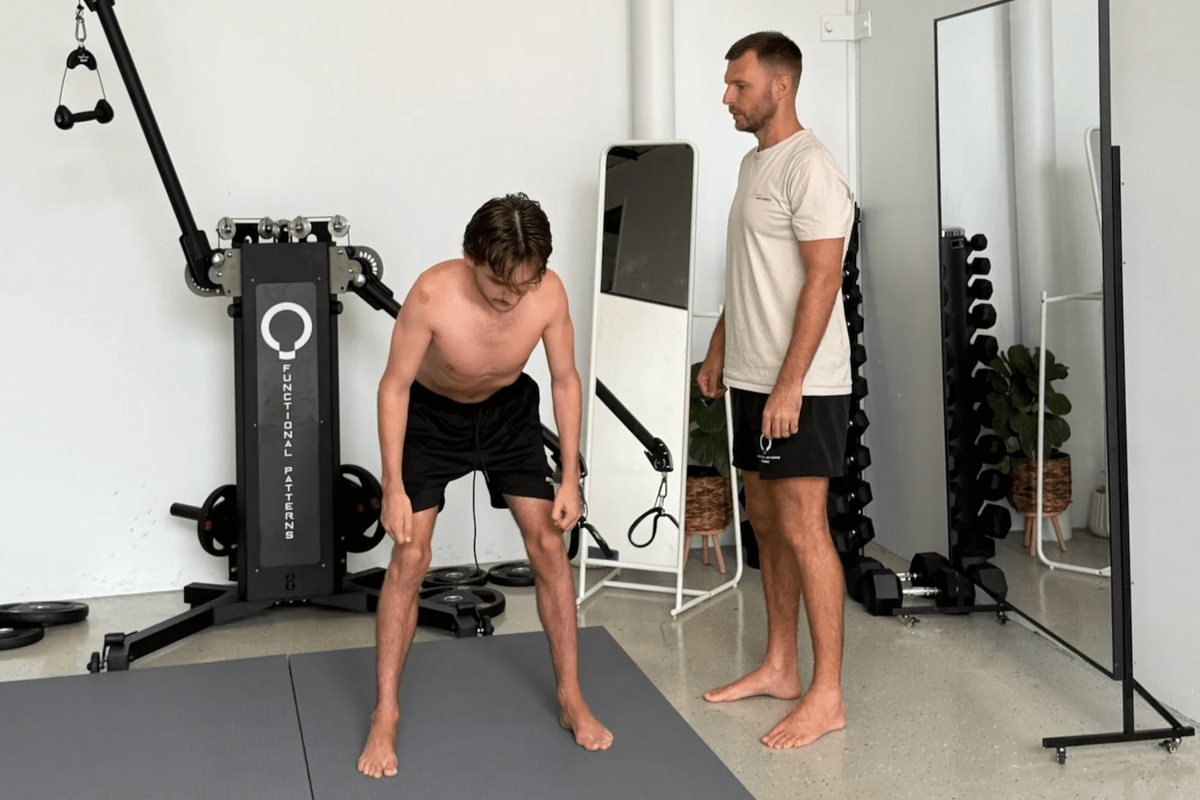
EDS, Hypermobility & Motor Control
Hypermobility changes how joints behave under load.
Ligaments are less reliable as passive restraints, so timing and sequencing become far more important than force output.
Common motor control issues we see include:
-
Delayed or absent load acceptance through the feet
-
Poor coordination between pelvis, ribcage, and spine
-
Excessive tension to create temporary stability
-
Difficulty tolerating repeated low-load movement
-
Inconsistent performance from day to day
These are motor pattern problems, not motivation problems.
Gross Motor Skills vs Isolated Exercises
Many rehab approaches break the body into pieces :
-
individual muscles
-
isolated joints
-
single-plane movements
But gross motor skills are about integration.
For someone with EDS, doing isolated exercises without addressing whole-body coordination can:
-
ingrain compensations
-
increase joint irritation
-
worsen fatigue and autonomic symptoms
-
create short-term gains with long-term setbacks
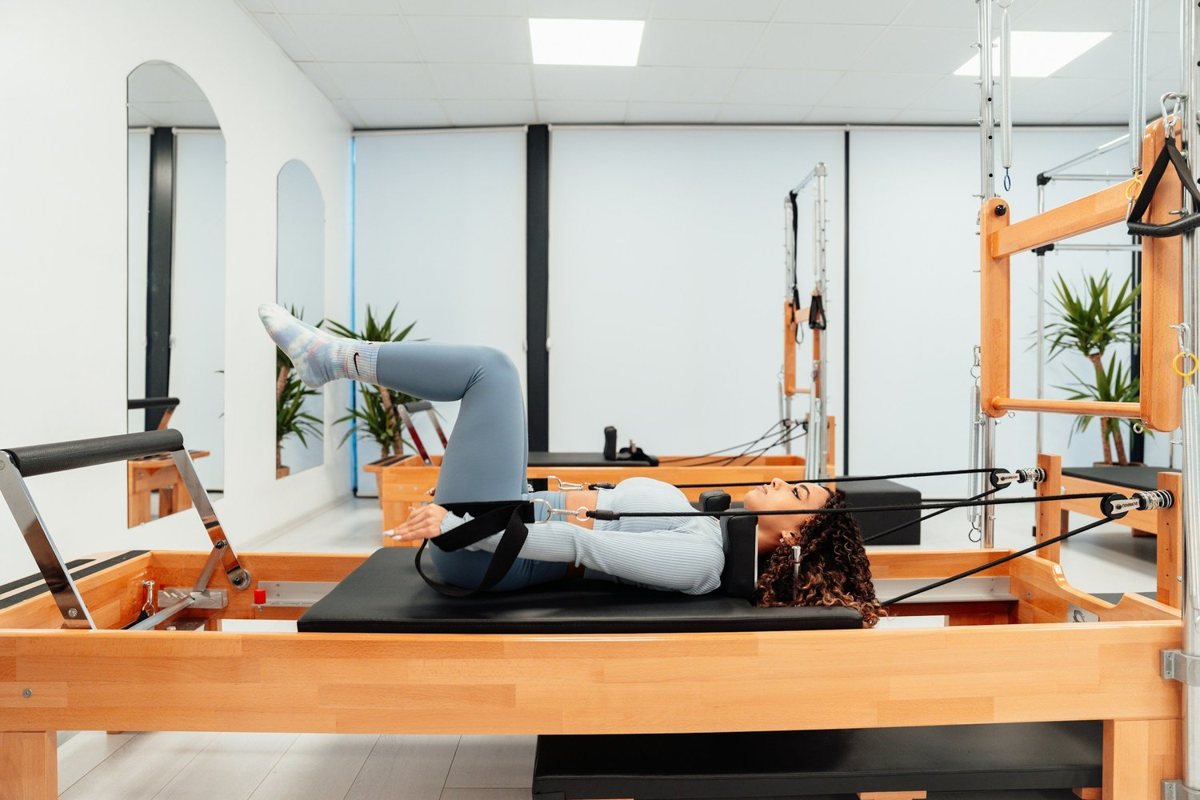
This is why people often say, “Pilates helped for a bit, then everything flared again.”
Why Gait Matters So Much in Hypermobility
Walking is the most repeated gross motor activity you perform every day.
Because of this, gait exposes:
-
how weight is transferred
-
where stability breaks down
-
how the nervous system responds to load
-
why symptoms appear in seemingly unrelated areas
In EDS and hypermobility, inefficient gait mechanics can amplify:
-
joint strain
-
neck and pelvic instability
-
breathlessness
-
fatigue and dizziness
This is why gait sits at the centre of our biomechanical assessment and progression.
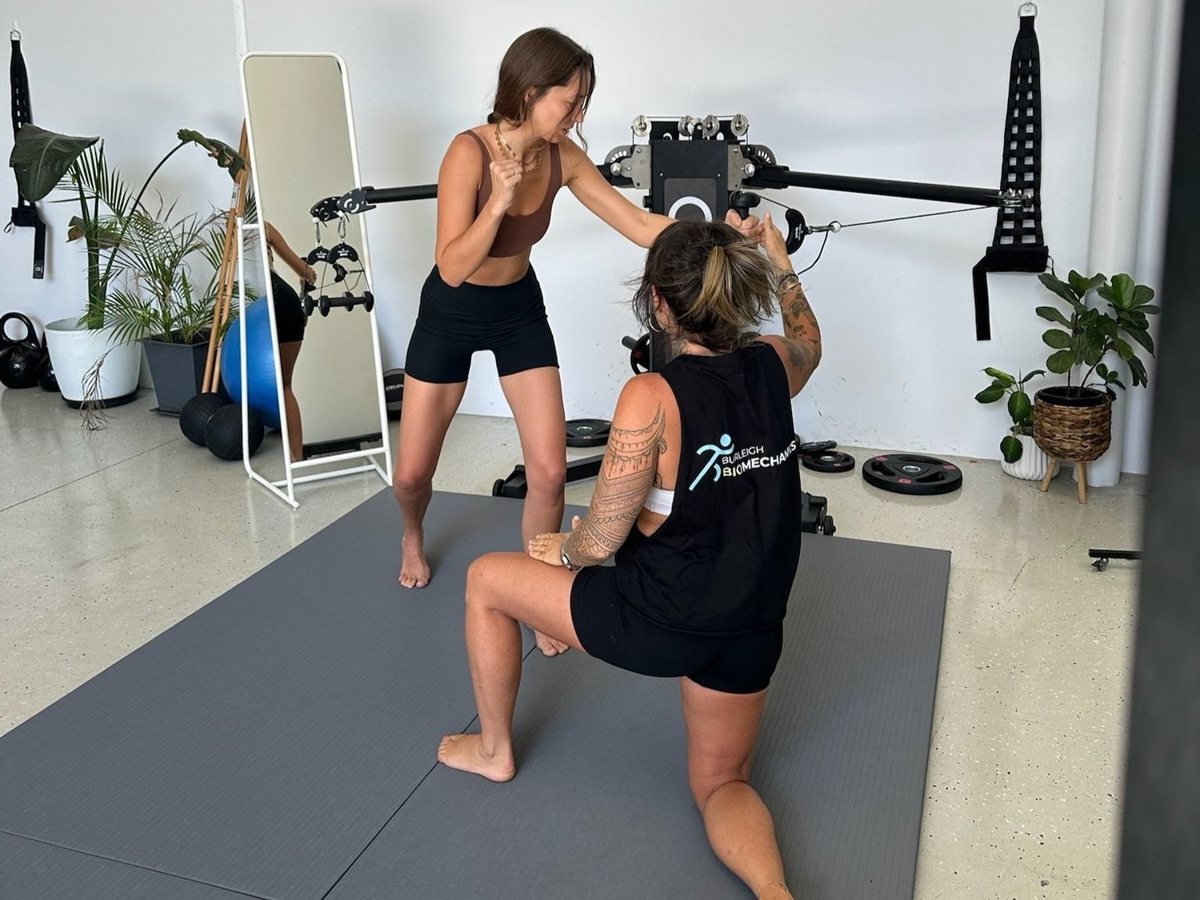
Examples of Gross Motor Issues in EDS
People with EDS often recognise patterns like:
-
feeling “strong but unstable”
-
needing constant tension to feel safe
-
symptoms worsening with repetition rather than load
-
unpredictable flares after low-intensity exercise
-
difficulty translating gym exercises into daily life
These are signs that gross motor coordination, not raw strength, needs attention.
Rebuilding Stability Through Motor Control
Improving motor skills in hypermobility means:
-
restoring sequencing before adding load
-
improving coordination between joints and trunk
-
rebuilding tolerance gradually
-
respecting nervous system capacity
-
prioritising repeatability over intensity
When coordination improves, strength becomes useful instead of irritating.
Where to Go From Here
If you have EDS or hypermobility and feel like exercise keeps letting you down, a different lens is often needed.
Rather than asking “How do I get stronger?”
The better question is:
“How is my body organising movement under load?”
That’s what biomechanical assessment helps reveal.
➡️ If you want to understand how this applies to your own body, our EDS & Hypermobility Support assessment focuses on posture, gait, breathing, and motor coordination — not just symptoms.
Just a man trying to make the world more functional and less painful.
https://functionalpatternsburleigh.com
Previous\ \ Previous\ Why Exercise Often Makes POTS or MCAS Symptoms Worse in EDS Next\ \ Next\ \ Strength Training for Hypermobility: How to Build Stability Without Overstraining Your Joints