Hypermobility can make movement challenging, but the right exercises help build strength, stability, and resilience. If you have joint hypermobility syndrome or hyper-mobile Ehlers-Danlos syndrome (hEDS), you might often feel joint pain.
The right training can help you a lot. In this article, we will look at the best exercises for hypermobility. We will also discuss what to avoid. Finally, we will explain how to safely build strength using Functional Patterns.
Understanding Hypermobility and Exercise
People with hypermobility often have increased range of motion in their joints because of differences in connective tissue structure. Flexibility can seem like a good thing. However, hyper-mobile joints are not stable. This can raise the risk of joint injuries, chronic pain, and long-term problems.
Strength training and controlled movements are important for stabilising exercises. They help reduce pain and improve quality of life. Double jointed exercises and hyper-mobile joints exercises need to account for the excessive range of motion.
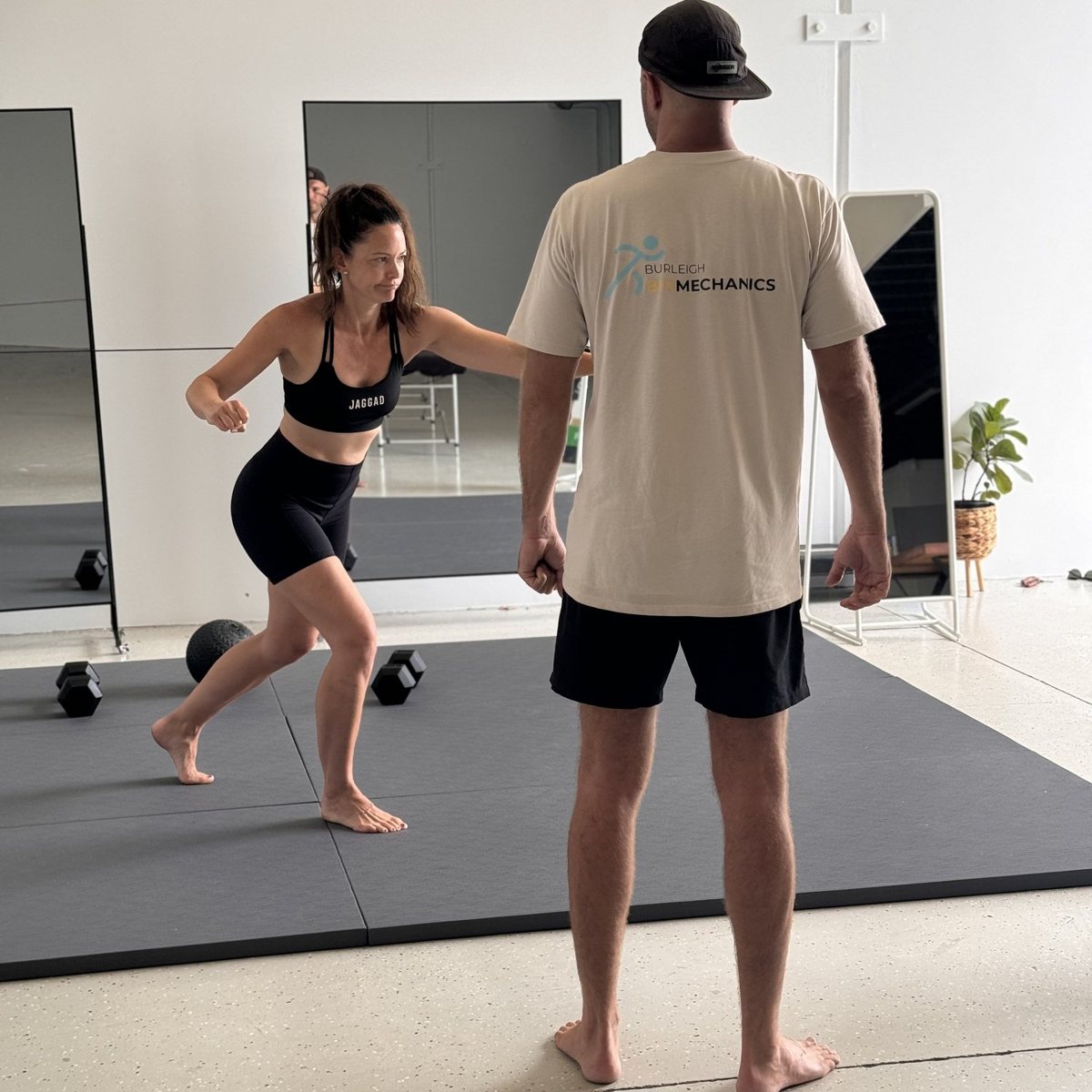
Why Functional Patterns Works for Hypermobility
Functional Patterns is different from traditional strength training. Instead of isolating muscles, it builds strength through natural movements. These movements include walking, running, and rotating.
This method strengthens muscle connections while reinforcing joint stability in a way that mirrors real-life movement. Functional Patterns focuses on:
-
Core strength to support the spine and stabilise joints
-
Controlled movement to avoid over-extending joints
-
Building strength through dynamic, full-body exercises
-
Reducing joint stress by using movement patterns to correct posture
Best Exercises for Joint Hypermobility
1. Postural Rebalancing Exercises
Poor posture contributes to excessive joint strain, especially for people with hypermobility. Proper alignment reduces compensation based movement patterns that reduce stability of joints. Try:
-
Standing Postural Rebalancing: Engage core muscles, align the pelvis, and maintain a neutral spine.
-
Wall Alignments: Use a wall to correct posture, focusing on keeping the shoulders, head, and hips in alignment.
2. Gait Training for Joint Stability
Gait mechanics play a huge role in stabilising hyper-mobile joints. Functional Patterns assesses walking and running patterns to correct imbalances. Exercises include:
-
Single-Leg Balancing Drills: Improve lower body coordination and joint control.
-
Resisted Walking Drills: Strengthen stabilising muscles in a functional way.
3. Rotational Strength Training
Rotation exercises are important for joint health. They work many muscle groups and help movement in all directions. Unlike traditional exercises that focus on linear movement, rotational training improves resilience by challenging the body to stabilize during dynamic movement.
-
Cable or Band Rotational Pulls: Strengthen core and hip muscles without overloading joints.
-
Torso Rotations with Resistance: Engage stabilising muscles while reinforcing proper movement patterns.
Joint Hypermobility Syndrome Exercises Exercises to Avoid
While movement is essential for people with hypermobility, certain exercises can cause more harm than good. Avoid:
-
Static stretching: Overstretching can lead to further joint laxity. Many people with hypermobility have a wide range of motion. Stretching too much can weaken their connective tissues. This can cause more instability and discomfort.
-
Heavy weightlifting without stability training: Strength without control increases injury risk. Lifting heavy weights without fixing posture and joint stability can cause imbalances. This can lead to movement patterns that put extra stress on weak joints.
-
High-impact exercises: Excessive jumping or abrupt movements can strain hyper-mobile joints. Activities like plyometrics or fast-paced, high-intensity exercises can strain the joints. This can raise the risk of dislocations and long-term pain. Instead, focus on controlled, functional movement that reinforces stability and coordination.
Functional Patterns vs. Traditional Strength Training
Traditional exercise programs often fail to consider the unique needs of people with hypermobility. Functional Patterns differs by prioritizing movement quality over isolated muscle strength. Instead of focusing on individual muscle groups, Functional Patterns integrates full-body movements to train muscles to work together efficiently, which helps in preventing joint injuries and improving range of movement safely.
Integration vs. Isolation
Most traditional exercise programs focus on isolating specific muscles, which can be problematic for people with hypermobility. Isolated exercises do not account for the way the body moves as a whole, often reinforcing compensatory patterns that lead to injury. Functional Patterns, on the other hand, emphasizes integrating multiple muscle groups in a single movement. This holistic approach ensures that stabilizing muscles engage properly, reducing the likelihood of joint strain and dislocations.
The Role of Gait and Posture Analysis in Hypermobility
Gait and posture play a significant role in joint stability for hypermobile individuals. Poor posture and inefficient walking patterns contribute to excess joint stress, leading to chronic pain and injury.
Functional Patterns assesses gait mechanics and posture to identify movement inefficiencies, helping individuals retrain their bodies for optimal stability. This approach focuses on how each joint works during movement. It helps improve joint control and reduce pain over time.
Importance of Rotation Exercises for Joint Health
Most traditional exercises emphasise forward and backward movement, neglecting the rotational movements necessary for joint stability. For hyper-mobile individuals, training through all planes of motion is crucial for preventing injury. Functional Patterns incorporates controlled rotational exercises that improve core strength, hip stability, and overall coordination. This ensures that joints are trained to handle real-life movements, reducing the risk of hyperextension and dislocations.
How to Start a Hypermobility Workout Program
For those new to Functional Patterns, starting small is key. Focus on:
-
Activating core muscles before movement
-
Improving posture to reduce unnecessary joint strain
-
Using stabilising exercises before increasing load
Long-Term Benefits of Functional Patterns for Hypermobility
Training with Functional Patterns offers long-term improvements for people with hypermobility, including:
-
Improved joint control and stability
-
Reduced chronic pain from better movement patterns
-
Enhanced strength without the risk of joint damage
-
Improved mental health
-
Better posture and alignment in daily activities
If you're looking for the best hypermobility exercises, Functional Patterns provides a safe, effective alternative to traditional training. This method helps people with hypermobility move without pain. It focuses on controlled movement, good posture, and joint stability. It also builds lasting strength.
If you have hyper-mobile joints, joint hypermobility syndrome, or Ehlers-Danlos syndrome, a Functional Patterns approach can help. It will improve your quality of life and keep your joints healthy for the long term.
Just a man trying to make the world more functional and less painful.
https://functionalpatternsburleigh.com
Previous\ \ Previous\ The Best Approach to Rheumatoid Arthritis and Exercise Next\ \ Next\ \ How to Fix Posture with Functional Patterns