Fascia Release: Why Rolling Isn’t Fixing Your Tightness
If you’ve searched:
-
how to release fascia
-
myofascial release therapy
-
why do I feel tight all the time
-
does fascia release work
You’ve probably been told to:
Foam roll.
Use a massage ball.
Hydrate more.
“Break up adhesions.”
But here’s the problem.
You can’t meaningfully “break” fascia with a foam roller.
And if your tightness keeps coming back, it’s not because you didn’t roll hard enough.
What Fascia Actually Is
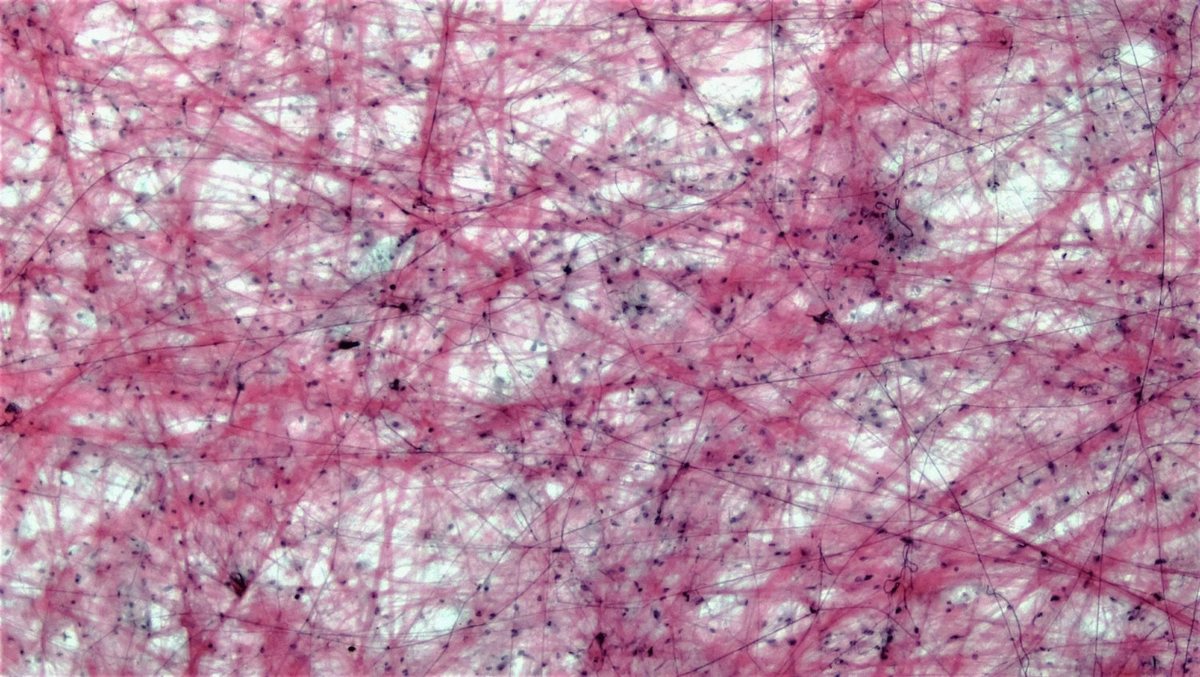
Fascia is connective tissue.
It surrounds muscles, links segments of the body, and helps transmit force.
It is not:
-
Shrink wrap
-
A stuck web that needs smashing
-
A storage unit for toxins
It is a load-distribution system.
Its stiffness changes in response to stress and mechanical demand.
That means tight fascia is usually adaptive.
Not damaged.
Why You Feel Tight All The Time
Chronic tightness is rarely a flexibility problem.
It’s usually one of three things:
-
Asymmetrical load distribution
-
Poor rotational control
-
Instability elsewhere in the system
When a joint lacks control, the surrounding tissue increases tone.
Fascia stiffens to protect you.
You roll it.
It softens temporarily.
Then your nervous system restores the tension.
Because the underlying instability is still there.
That’s why foam rolling feels good… but doesn’t last.
Does Myofascial Release Work?
Yes — but not how most people think.
Myofascial release:
-
Changes nervous system tone
-
Alters perception of tightness
-
Temporarily improves range
It does not:
-
Break adhesions
-
Remodel fascia permanently
-
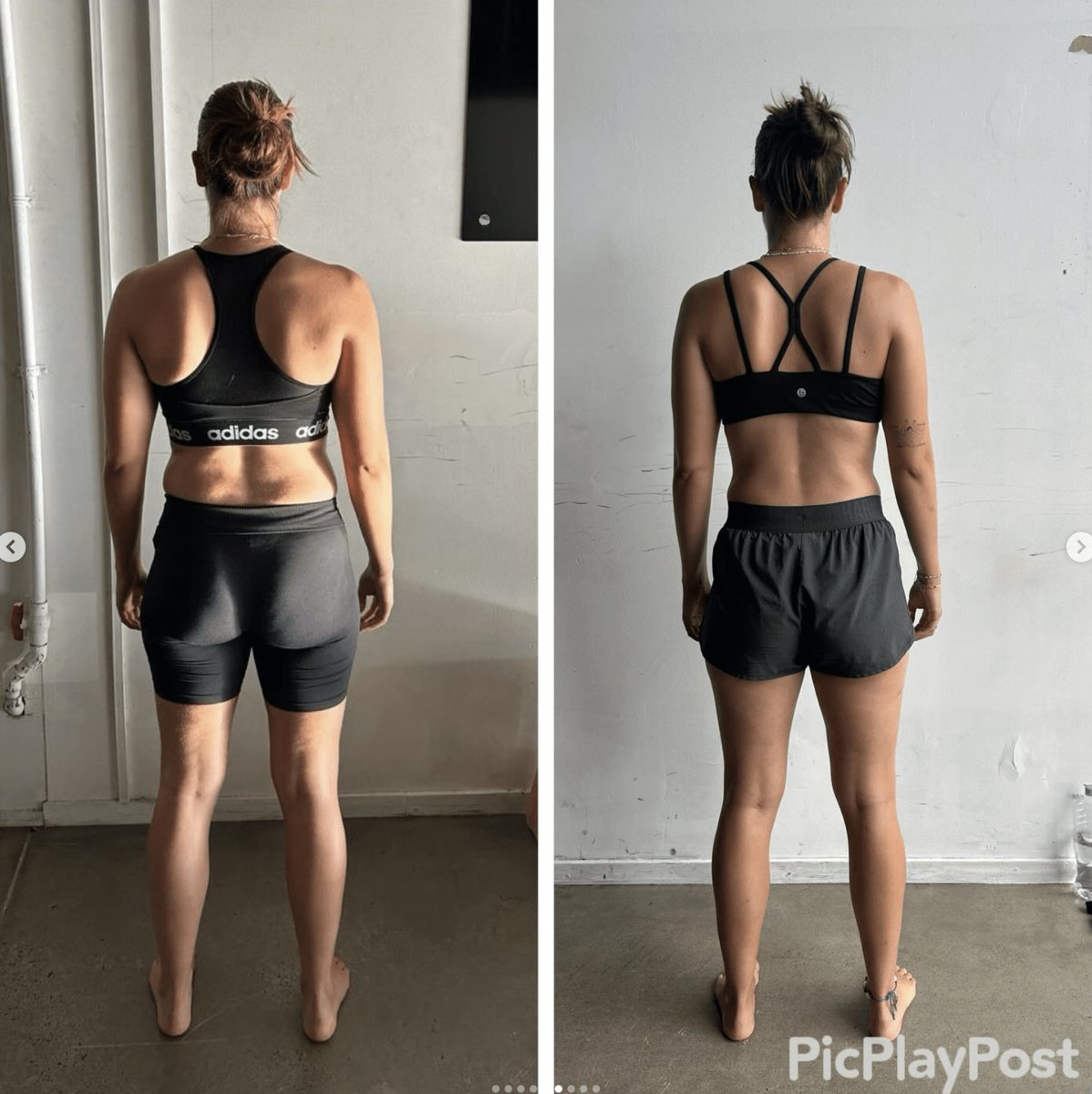
Correct gait asymmetry
Without correcting biomechanics, it’s symptom relief.
Not resolution.
The Gold Coast Pattern We See Daily
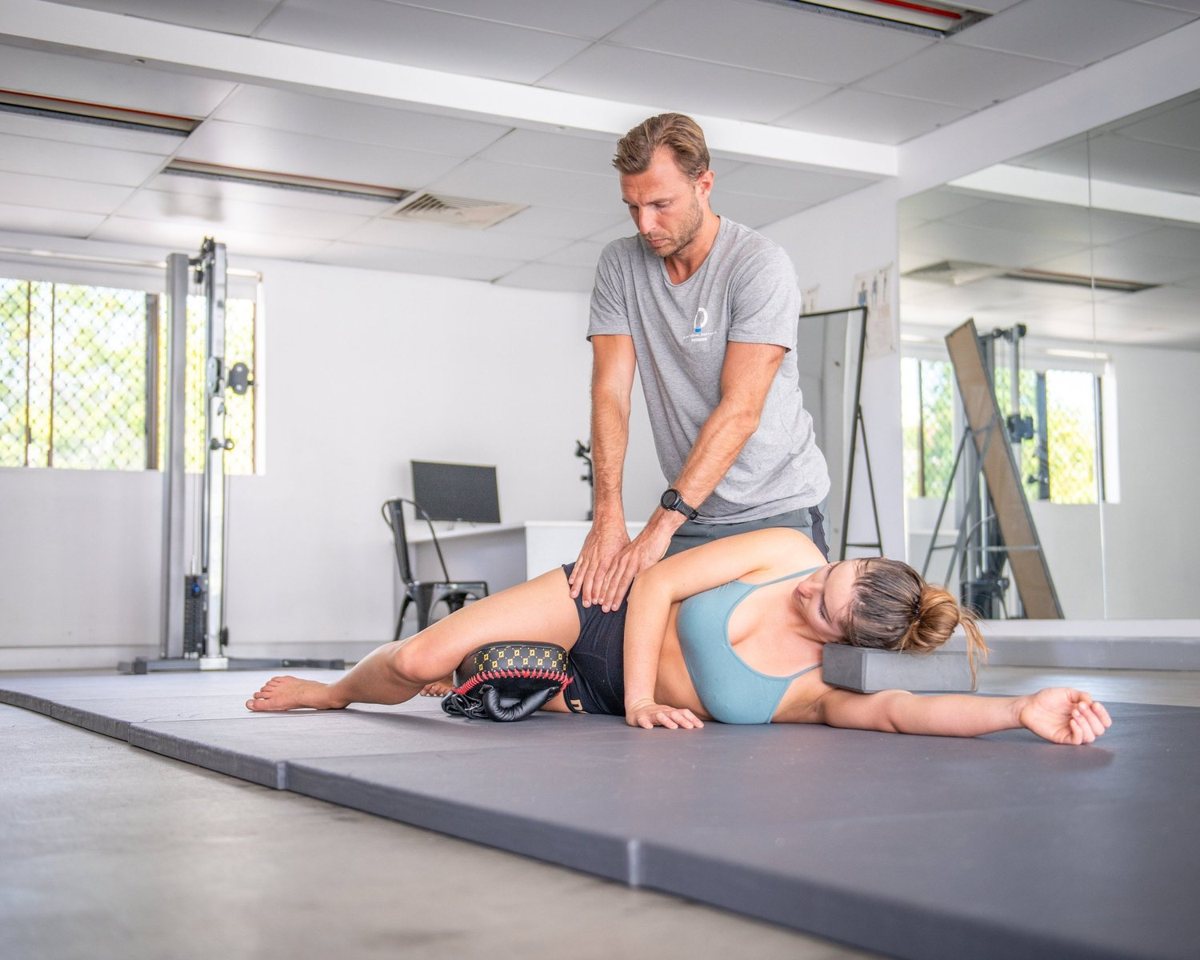
At Functional Patterns Burleigh, most clients who complain of “tight fascia” actually have:
-
Restricted hip internal rotation
-
Pelvic instability
-
Ribcage rigidity
-
Poor force transfer in gait
The tightness is the result.
Not the cause.
And when we restore proper load sequencing, the “fascia problem” often disappears without aggressive release work.
When Fascia Release Is Useful
There is a place for it.
As preparation.
As modulation.
As short-term pain reduction.
But it should support:
-
Pelvic stability exercises
-
Rotational training
-
Gait retraining
-
Functional movement patterns
Not replace them.
If Your Tightness Keeps Coming Back
Ask yourself:
-
Is my posture symmetrical?
-
Do I rotate efficiently when I walk?
-
Can my hips absorb force?
-
Does my ribcage move?
If not, your fascia is doing its job — protecting instability.
The solution isn’t smashing it harder.
It’s restoring system integrity.
Fascia, Movement & Long-Term Pain Relief
Fascia responds to mechanical input.
It remodels based on load.
If you want lasting change:
Train the system.
Not the symptom.
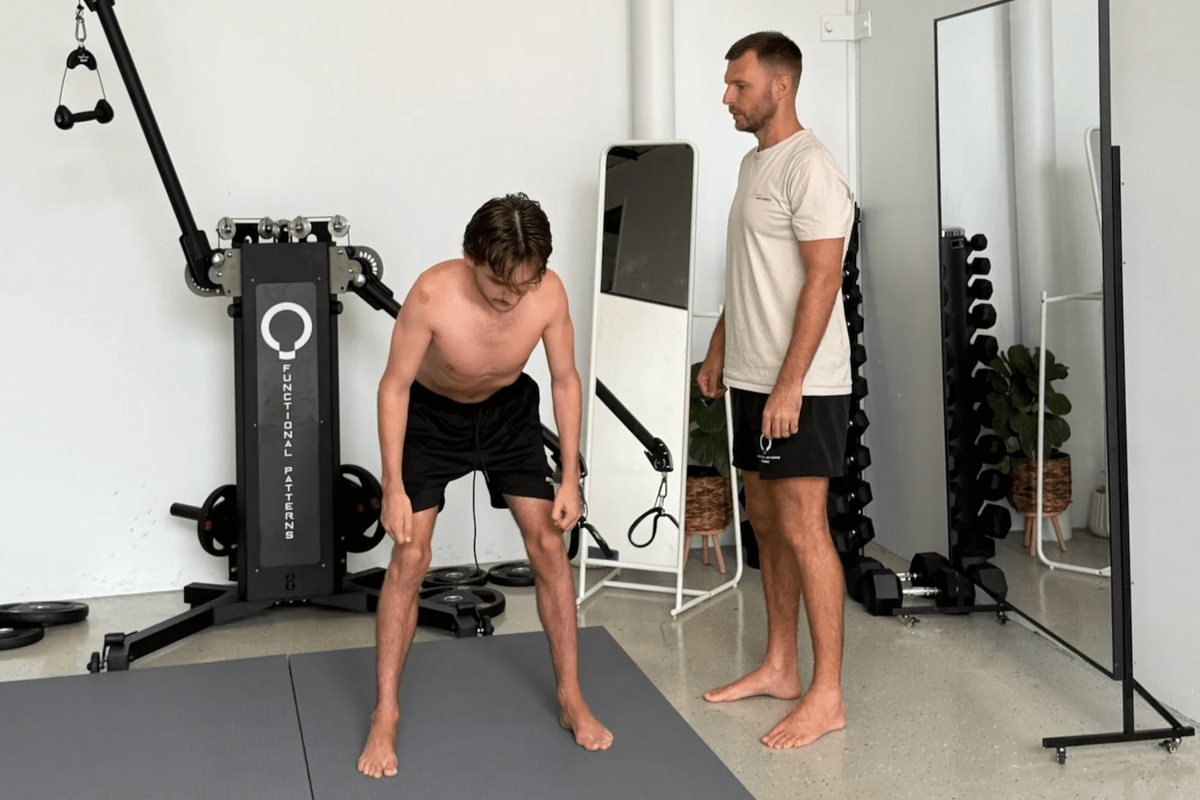
At Functional Patterns Burleigh, we assess:
-
Posture
-
Pelvic orientation
-
Hip rotation
-
Gait mechanics
-
Load distribution patterns
Because tight tissue is rarely the primary issue.
It’s the body compensating.
If you’re on the Gold Coast and tired of temporary relief, book a biomechanics assessment and address the root cause.
Just a man trying to make the world more functional and less painful.
https://functionalpatternsburleigh.com
Previous\ \ Previous\ Deep Tissue Release Only Lasts When You Fix Movement — Functional Patterns Burleigh Gold Coast Next\ \ Next\ \ How to Fix a Kinked Neck (and Why It Keeps Coming Back)